
Research Archives / PSEI research
The Toledo Club
A complete PSEI research report covering the Toledo Club, its building, founders, members, and associated history.
- Research date
- Not recorded in the surviving document
- Website edition
- 2026-10-29
The Toledo Club
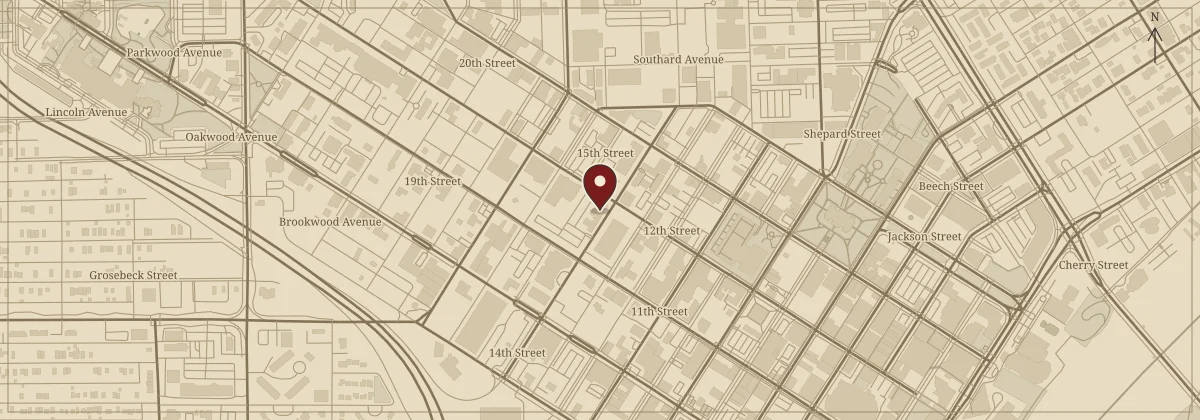
235 14th Street
Toledo, Ohio 43604
PSEI Research Team
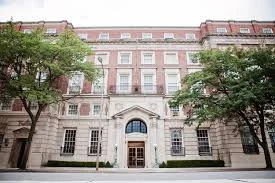
Property Information:
Parcel I.D. Number:1550394
Stories: 5
Year Built: 1915
Location: 1401 Madison Street
Current President: Aaron D. Swiggum
History of the Toledo Club:
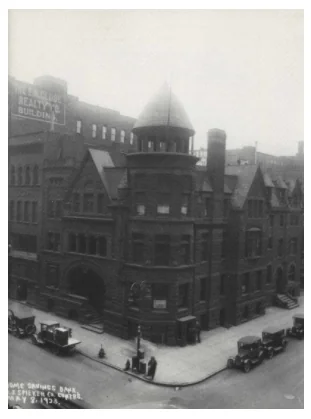
The Draconian Club was founded in 1879, by David Ross Locke, Edward Drummond Libbey, John North Willys, Michael Joseph Owens, and Morrison R. Waite. In the beginning they met in a private residence and local taverns. Ten years later in 1889 they unanimously voted and changed the club's name to The Toledo Club. In 1891 the Toledo Club moved to new location on the corner of Madison Avenue and Huron Street. By 1913 that had outgrown the building and decided it was time to move. In 1915, they began building on the corner of Madison Avenue and 14th Street the new and current location of the Toledo Club. The new location cost $500, 000 to build, while the former location was sold $200,000 and was eventually razed. In 1924, the athletic wing was built which includes a basketball court, swimming pool, bowling alley and squash ball courts.
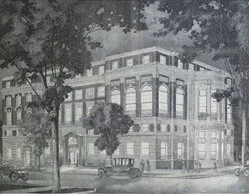
The Toledo Club, 1915
Founders of the Toledo Club:
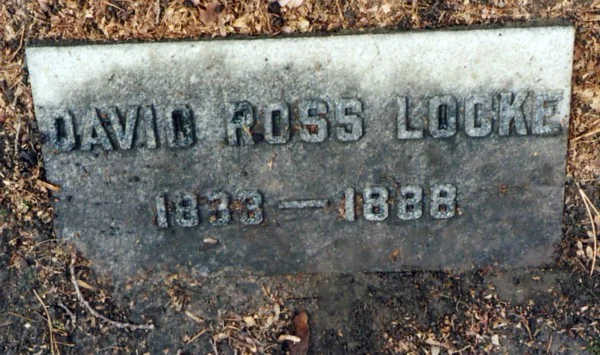
David Ross Locke:
Birth: September 20, 1833
Dutchess County, New York
Death: February 15, 1888
Toledo, Ohio
Buried:
Woodlawn Cemetery
Toledo, Ohio
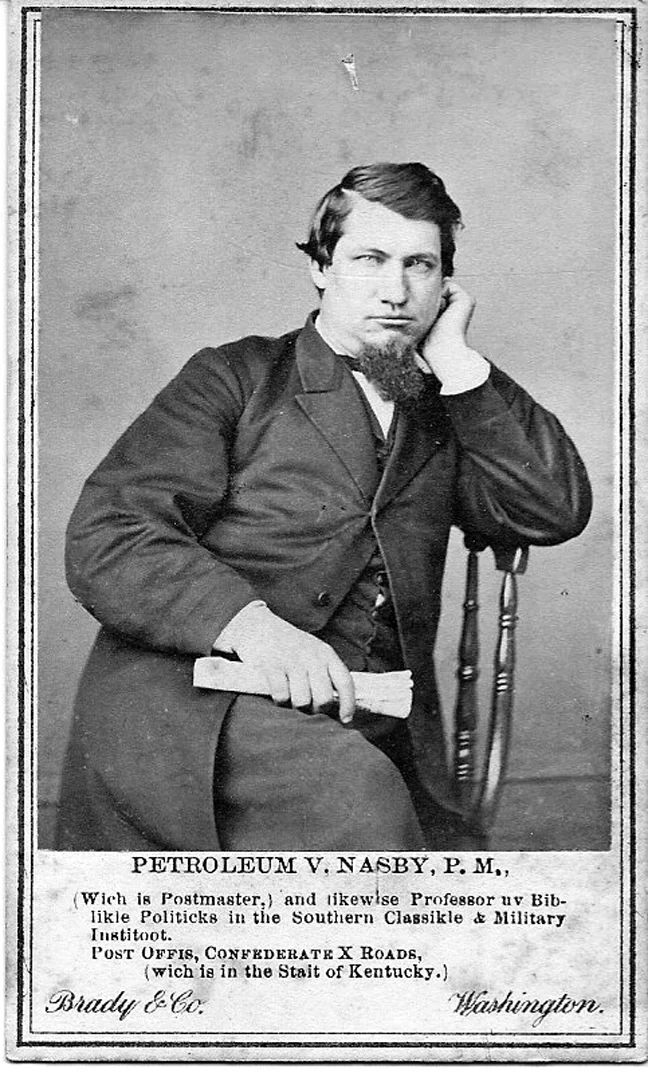
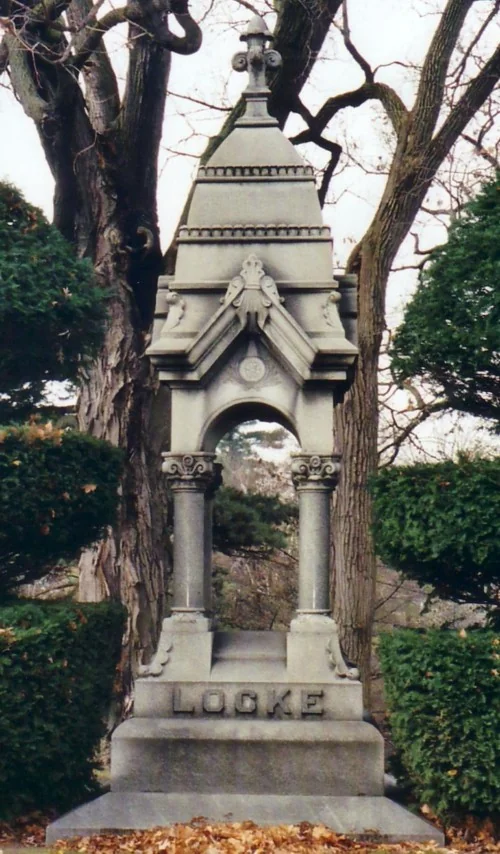
Journalist, Satirist. He wrote "The Nasby Letters" under the pseudonym "Petroleum Vesuvius Nasby". The Nasby character was portrayed as an ignorant, violent, prejudiced pro-slavery supporter. These letters were often fancied by politicians and Union supporters during the Civil War. President Abraham Lincoln was often said to stop cabinet meetings to read aloud Locke's column. Once the Civil War ended he began to write more "Nasby Letters" as satiric propaganda for other causes. |
|
John North Willys:
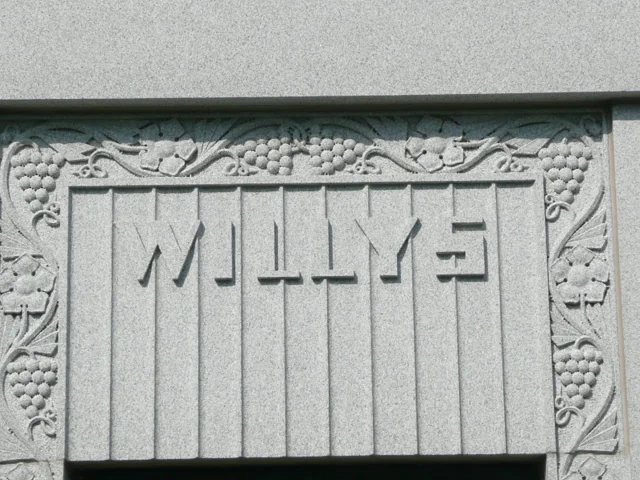
Born: October 25, 1873
Canandaigua, New York
Died: August 26, 1935
Bronx, New York
Buried:
Kensico Cemetery
Valhalla, New York
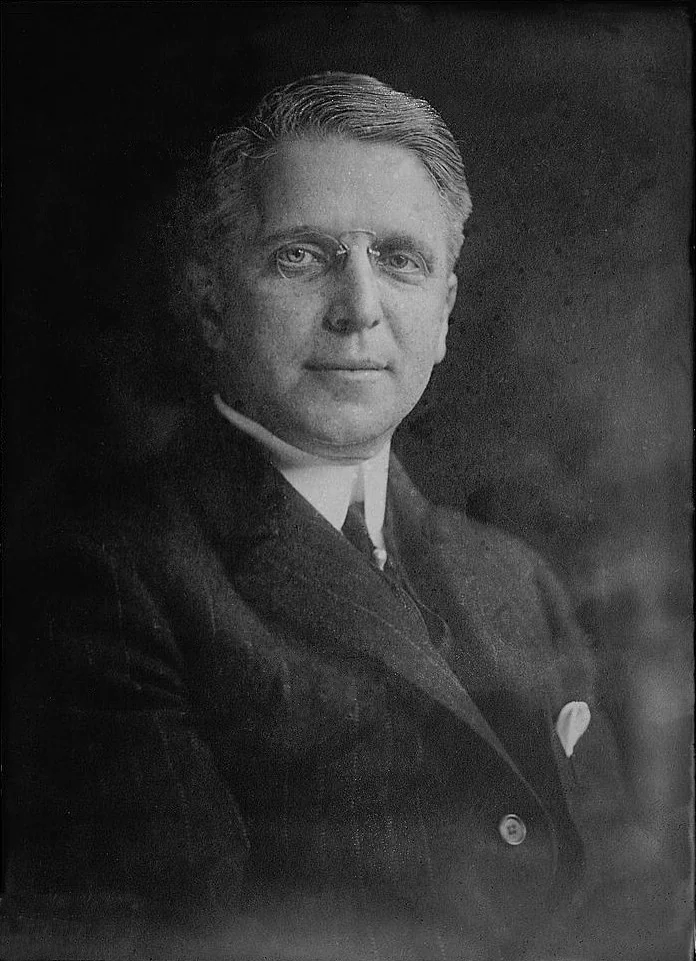
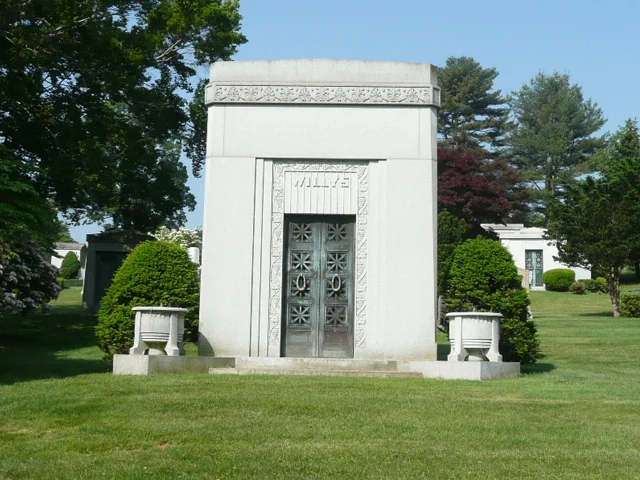
Willys began his career as a bicycle manufacturer. He then moved from two- wheeled-vehicles to four, and began manufacturing Willys and Overland automobiles at a plant in Toledo, Ohio. He served as U.S. ambassador to Poland from 1930-1032.
Michael Joseph Owens:
Born: January 1,1859
Virginia
Died: December 27, 1923
Toledo, Ohio
Buried:
Calvary Cemetery
Toledo, Ohio
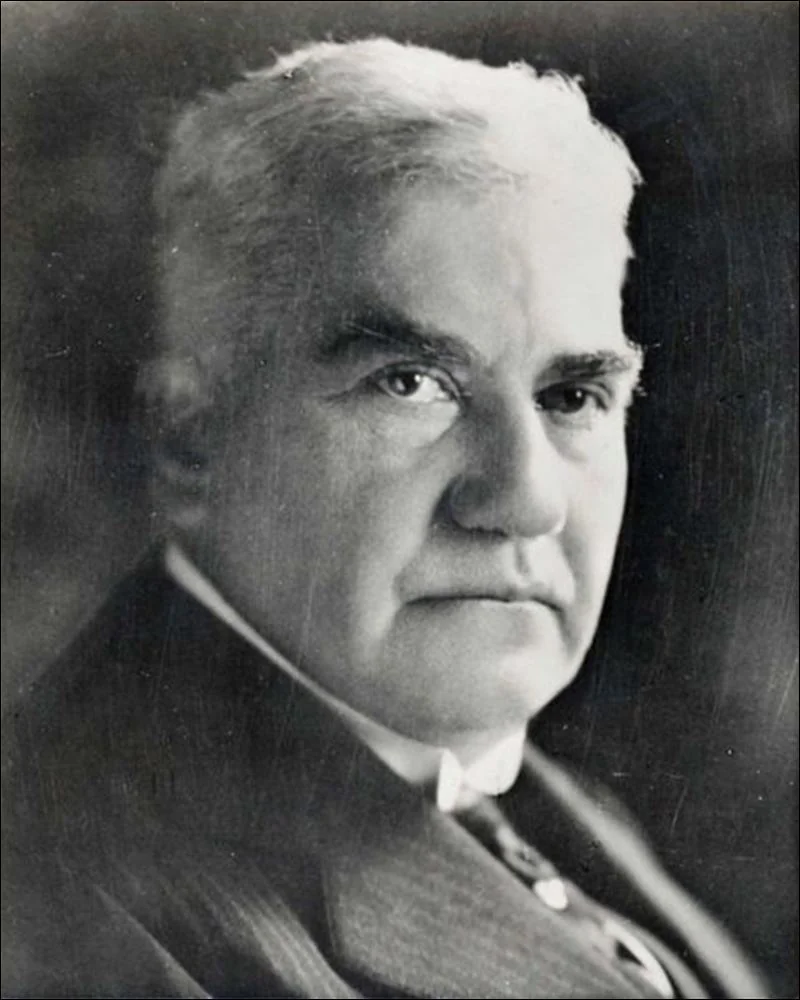
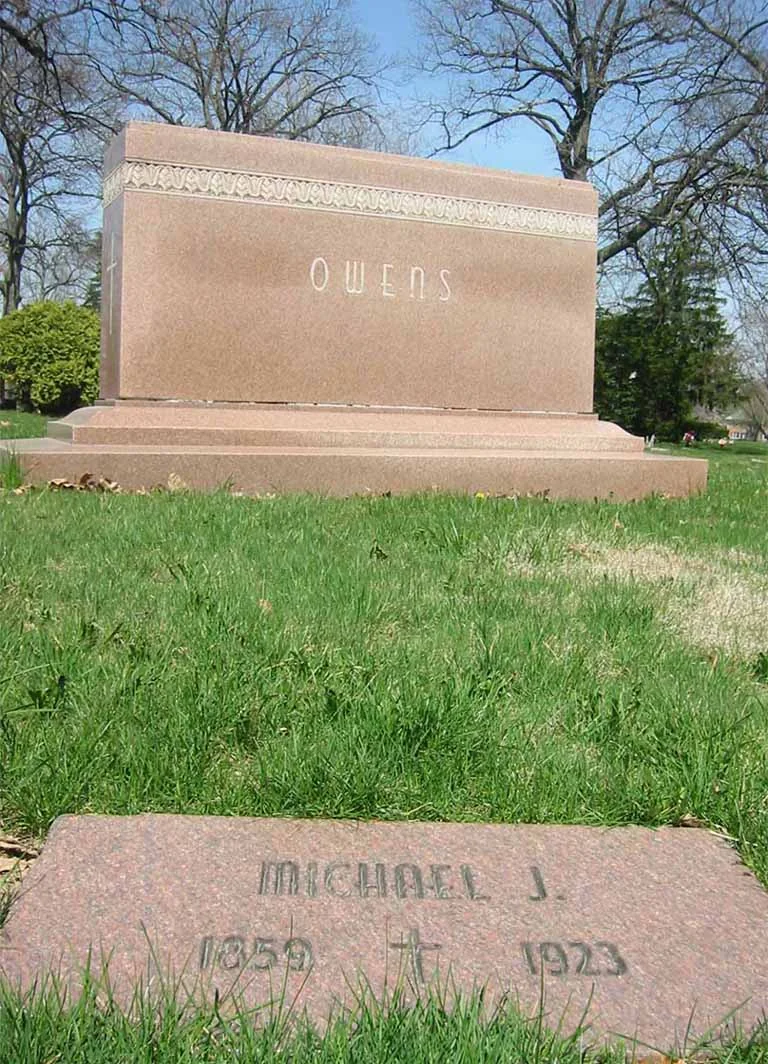
Inventor and glass manufacturer. He was the son of a Mason County West Virginia coal miner. By the age of 15 he had become a glassblower in Wheeling, West Virginia. He began work in a glass factory in Toledo, Ohio in 1888. He invented a completely automatic glass bottle-blowing machine. The device was patented in 1895 and 1904. His revolutionary device automated the glass making process and helped to eliminate child labor. During his lifetime he patented more than 40 devices for improving the manufacturing of glass. He established the Owens Bottle Machine Company in 1903 and the Libbey-Owens Sheet Glass Company in 1916. Owens Community College in Toledo, Ohio, is named in his memory.
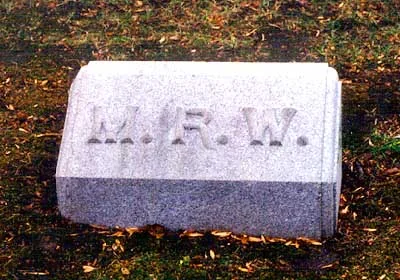
Morrison “Mott” R. Waite:
Born: November 29, 1816
Lyme, Connecticut
Died: Washington D.C.
Buried:
Woodlawn Cemetery
Toledo, Ohio
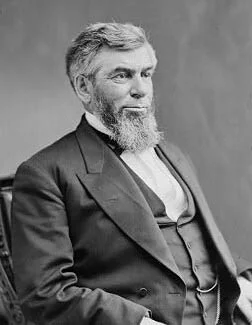
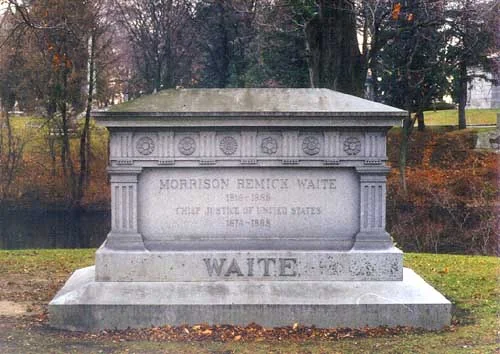
United States Supreme Court Chief Justice. After graduating from Yale University the native of Lyme, Connecticut moved to Ohio where in 1839 he was admitted to the bar. He practiced law in Maumee City until 1850 before moving to nearby Toledo where he practiced law until 1874. Twice he failed in an attempt to be elected to the United States Congress. In 1871 he was appointed by President Ulysses S. Grant to serve on a commission established to settle claims the United States made against Great Britain regarding British aid given to the Confederacy during the Civil War. After helping the United States win a fifteen and a half million dollar judgment, he returned from Europe only to be elected as president of Ohio's 1873 Constitutional Convention. The next year Waite was nominated by President Grant to become the seventh Chief Justice of the United States Supreme Court. He served in that position for fourteen years.
Edward Drummond Libbey:
Born: April 17, 1854
Chelsea, Massachusetts
Died: November 13, 1925
Toledo, Ohio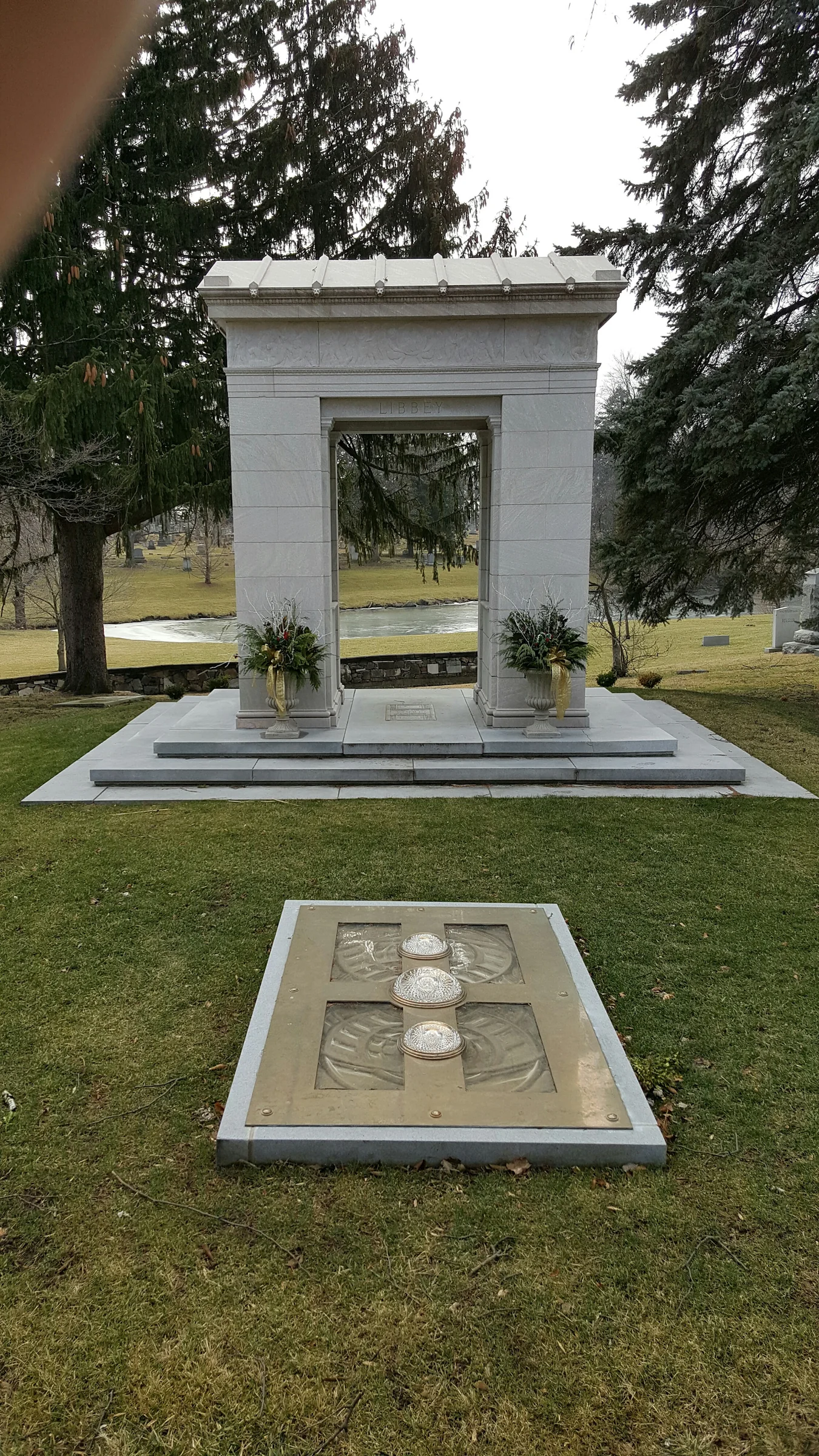
Buried:
Woodlawn Cemetery
Toledo, Ohio
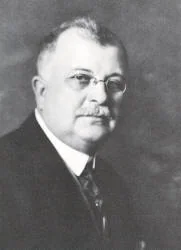
Businessman, philanthropist, art collector, world traveler. Edward Libbey was born in Chelsea Massachusetts, where he graduated from Boston University, and became president of New England Glass Company. He then moved to Toledo, Ohio where he start Libbey Glass Company, Owens Bottle Machine Company(Owens-Illinois), and Libbey-Owens Sheet Glass Company. Toledo, Ohio became the glass capital of the world and Libbey became one of the wealthiest industrialist of his time. Today glass windshields are branded LOF, which stands for Libbey-Owens-Ford.
He was involved in local communities where he resided, in both Toledo, Ohio and Ojai, California. Libbey High School in Toledo was named after him.
He traveled and collected art and ancient relics in numerous parts of the world. His art collection became one of the largest private collections in the world today. This led to the establishment of the world famous Toledo Museum of Art in 1901. The Museum contains over 30,000 works of art including some internationally known priceless paintings.
Edward Libbey died in 1925 of pneumonia at the age of 72. Upon his death, Libbey was placed in the Sculpture Court of his museum, where thousands came from all over to pay their respects.
To this day, as Edward Libbey insisted remained, there is no
admission to the museum and will never
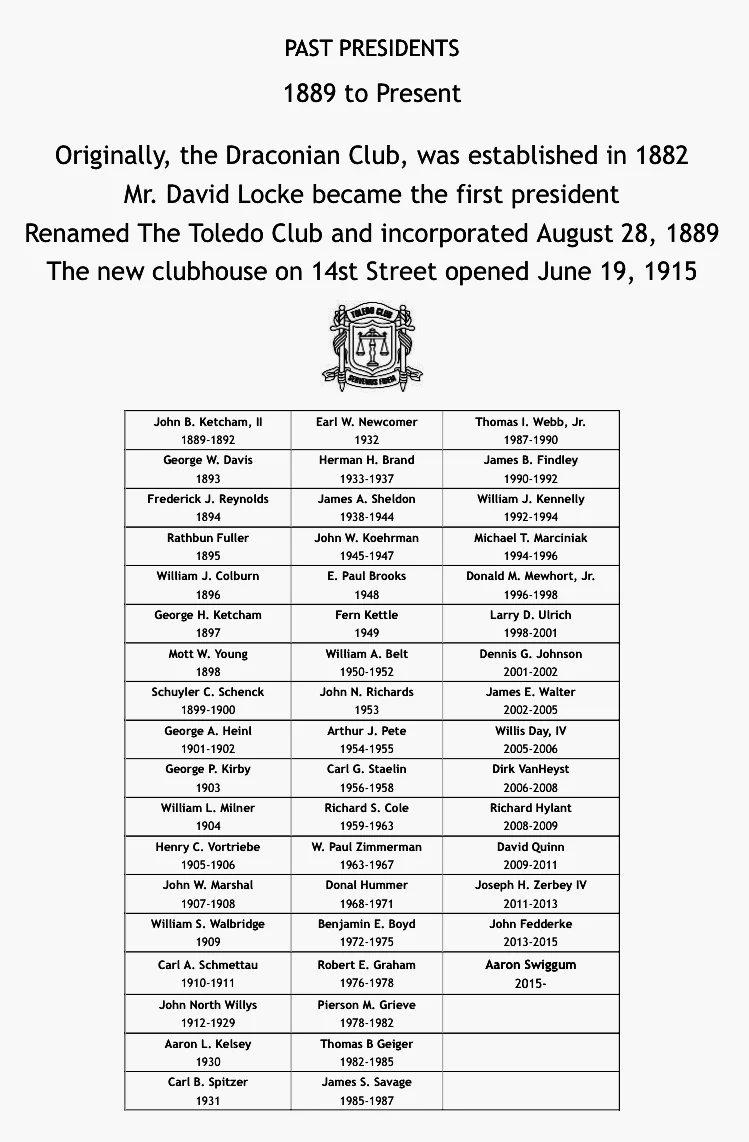
Past Presidents of the Toledo Club:
Fatal Car Accidents:
5/31/2013 N. Erie St. and Madison Ave. (Approx 0.376 mi from address)
- Raymond G. Lutzke, a pedestrian was struck and killed by a motorist while crossing the street.
Unsolved Homicides:
8/21/2014 715 Monroe Street (Approx 0.388 mi from address)
- Marcus Osley, 28, was shot outside Chez Joey
8/7/2013 1917 Jefferson Ave (Approx 0.294 mi from address)
- Joseph Meyers, 53, beaten to death during an altercation over 75 cents
12/19/2009 700 Block Jefferson Ave (Approx 500 ft from address)
- Marland Woods, 32, died six days after being assaulted outside Caesar's Show Bar
[PSEI Logo.jpg — image could not be decoded]
PSEI Research Team:
Andrea Batteas
Jonathan Batteas
Archive source
Andrea Batteas and Jonathan Batteas / PSEI Research Team. “The Toledo Club.” PSEI research, n.d. Research report. GHS archival copy.
Continuing Research
More accounts, discoveries, and connections will be added here as we find them.